
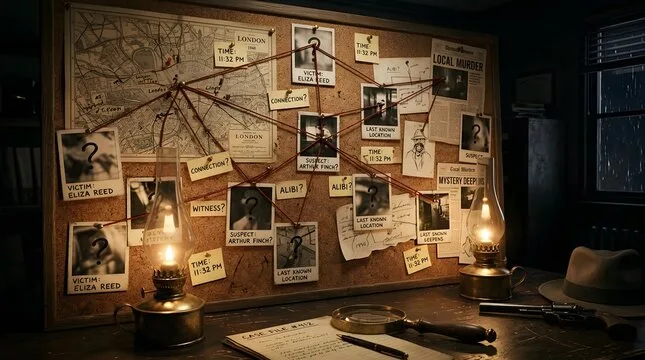
In a commentary published November 18 in Forensic Magazine, Heather Barnhart, Senior Director of Forensics Research, argues that AI false positives draw attention because they can be seen, tested and disproved. A trained examiner can catch the error and still move the case forward. Missing evidence gives an investigator nothing to challenge.
Barnhart says AI tools are built to work from existing material, whether DNA, device data or witness statements. When there is no base to analyze, they stall. They can report that a device is clean, but they cannot judge whether that matters to the case or whether someone engineered it.
She cites a past case in which a phone scan returned nothing because someone had selectively deleted the artifacts an examiner would expect to find. A full wipe would have been spotted immediately. She also points to Cellebrite's 2026 Industry Trends Survey, which found 56% of devices arrive locked, a barrier that can be mistaken for a dead end.
Her second concern is confirmation bias. AI tends to agree with the investigator, so it may not look for alternative angles once it reaches a conclusion. Barnhart recommends treating AI like a junior analyst: check its outputs regularly, trace its sources and give it feedback. She sees its best use in summarizing evidence and triaging large volumes of device data for human review.
Her conclusion is that foundational skills, including the instinct to ask whether evidence is missing by design, must not become a lost art in forensics.