
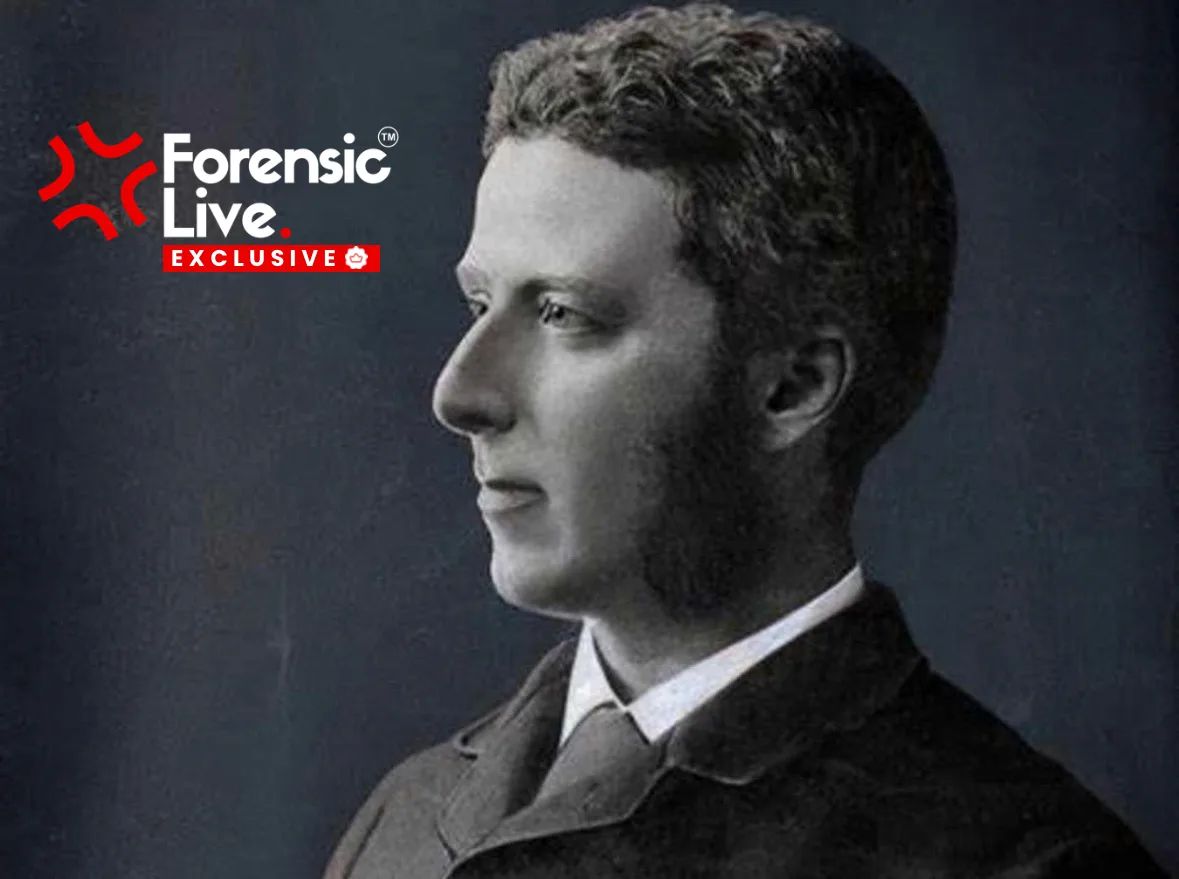
Long before Sherlock Holmes became one of literature's most celebrated detectives, a Scottish surgeon was demonstrating the power of observation, logical reasoning and scientific deduction in real-life investigations. Dr Joseph Bell, a renowned surgeon at the University of Edinburgh, is widely recognised as one of the principal inspirations behind Arthur Conan Doyle's fictional detective Sherlock Holmes.
The connection between Bell and Holmes is explored in Sleuth-Hound: The Case of the Real Sherlock Holmes, a book by medical historian Lindsey Fitzharris, published in October 2026. The book examines Bell's professional life, his investigative abilities and his contribution to the development of forensic medicine during the Victorian era.
Observation: The Foundation of Scientific Deduction
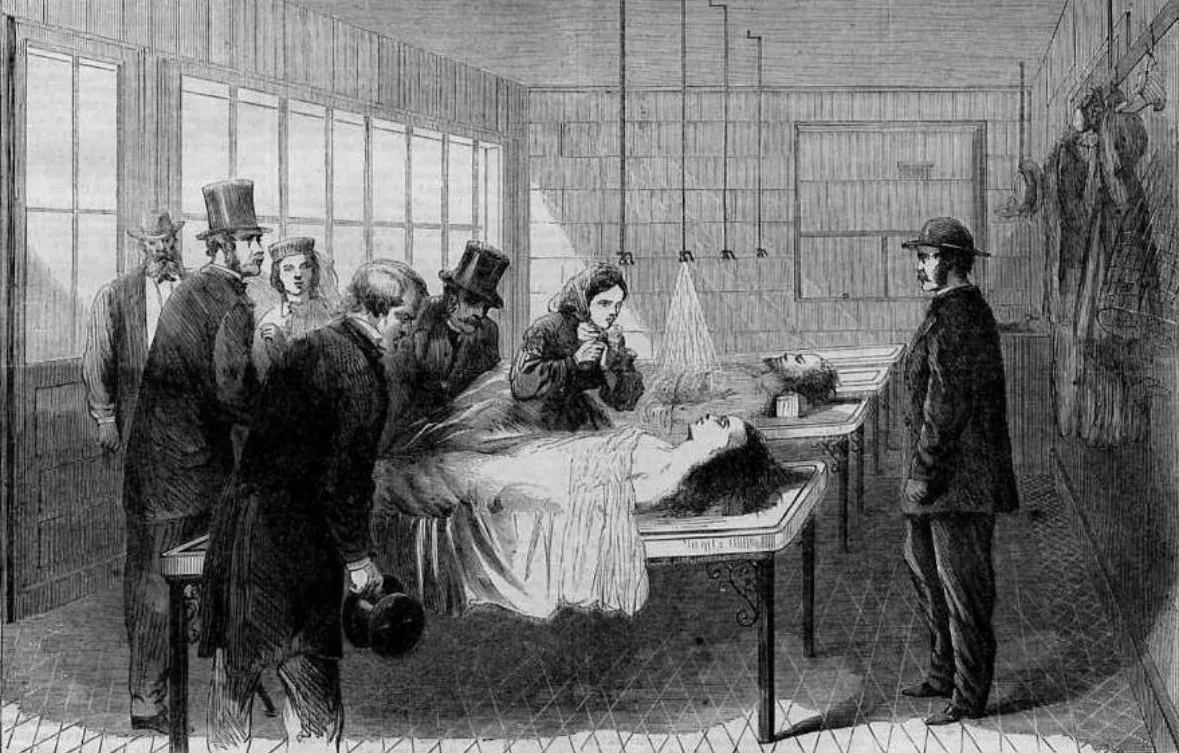 Joseph Bell was particularly famous for his extraordinary ability to draw conclusions about individuals by examining seemingly insignificant physical details. Through careful observation of a person's hands, clothing, gait, injuries and other physical characteristics, he could often identify their occupation, background and medical conditions.
His teaching methods encouraged medical students to look beyond obvious symptoms and interpret the information presented by the human body. Among those who witnessed his demonstrations was Arthur Conan Doyle, who studied medicine at Edinburgh and later acknowledged Bell as an inspiration for Sherlock Holmes.
The fictional detective's approach to solving crimes through observation, deduction and logical analysis closely reflected the methods Bell demonstrated in his medical practice.
From Medical Diagnosis to Criminal Investigation
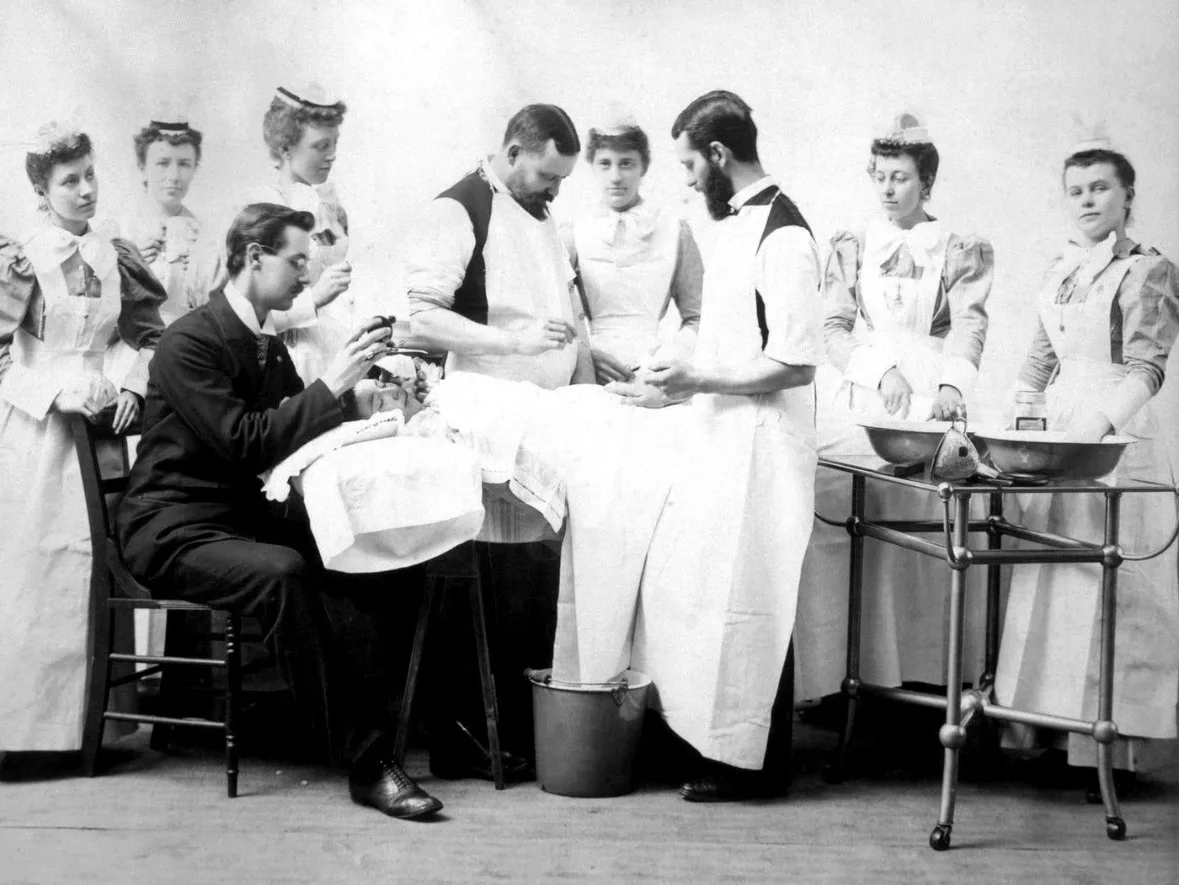 Bell's contribution extended beyond medicine. He also worked alongside Dr Henry Duncan Littlejohn, Edinburgh's police surgeon, on criminal investigations during the nineteenth century.
Their work involved examining medical evidence and investigating suspicious deaths, demonstrating how scientific knowledge could assist criminal investigations. Their involvement in historical murder cases illustrated the importance of medical examination in distinguishing natural deaths from poisoning, homicide and other criminal causes.
One notable case involved Eugene Chantrelle, who was convicted of poisoning his wife, Elizabeth Chantrelle. The investigation highlighted the significance of medical evidence in identifying poisoning and establishing criminal responsibility.
Bell and Littlejohn also followed developments in other major criminal investigations of the period, including the Whitechapel murders attributed to Jack the Ripper.
The Evolution of Forensic Science
The nineteenth century represented an important period in the development of scientific approaches to criminal investigation. Medical professionals increasingly contributed to determining causes of death, examining injuries and interpreting physical evidence.
Henry Duncan Littlejohn was also associated with developments in police medical investigation, including the use of crime-scene photography. Their combined contributions reflect an important transition from traditional criminal investigation towards evidence-based methods.
Although forensic science has evolved considerably through DNA profiling, digital forensics, advanced toxicology and modern laboratory techniques, its underlying principle remains closely connected to the approach demonstrated by Bell: carefully examining available evidence before reaching conclusions.
A Legacy Beyond Sherlock Holmes
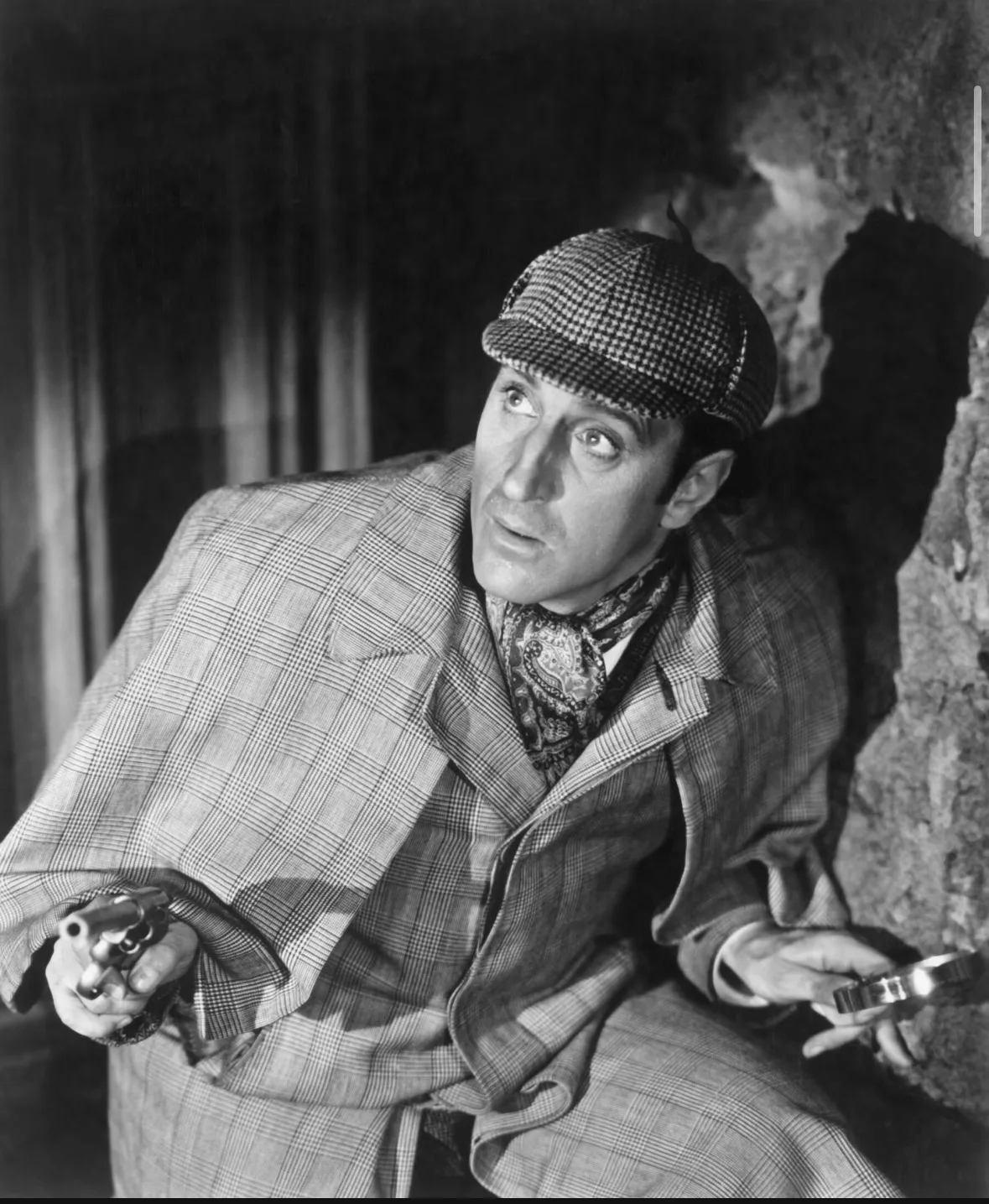 Despite his reputation as the inspiration behind one of fiction's most recognisable detectives, Joseph Bell reportedly disliked being remembered primarily as the real-life Sherlock Holmes. His medical contributions, teaching methods and involvement in forensic investigations deserve recognition independently of the fictional character.
Through Sleuth-Hound, Lindsey Fitzharris revisits the relationship between medicine, criminal investigation and the origins of modern detective fiction. The book also brings attention to the lesser-known contributions of medical professionals who helped establish scientific observation as an important component of criminal investigation.
The story of Joseph Bell serves as a reminder that forensic science did not emerge overnight. Its foundations were shaped by generations of medical practitioners, investigators and scientists who recognised that even the smallest physical detail could hold significant evidentiary value.