
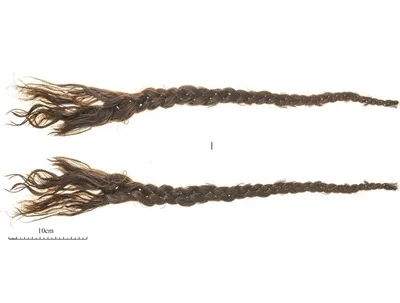
An international team of researchers has discovered molecular traces of cannabis compounds in preserved human hair recovered from an ancient princely tomb in Siberia, providing what researchers describe as the oldest directly dated archaeological evidence of cannabis use for its intoxicating properties.
The study, led by researchers from the University of Bern and the Max Planck Institute of Geoanthropology, examined archaeological remains from a burial site in the Republic of Tyva in southern Siberia. The tomb belonged to high-ranking members of the Scythian society, an ancient horse-riding culture of the Eurasian steppe.
Researchers recovered approximately 1,000 cannabis seeds from the burial site. Radiocarbon dating of six seeds established that they date back to the early 8th century BCE.
Forensic Analysis of Ancient Human Hair
A significant aspect of the research involved the examination of preserved human hair recovered from the central burial chamber. Using high-resolution mass spectrometry and other analytical techniques, researchers identified molecular signals consistent with cannabinol (CBN) in several hair samples.
CBN is a compound formed, among other processes, through the oxidation of tetrahydrocannabinol (THC), the principal psychoactive component of cannabis. Researchers also detected weaker molecular signals consistent with THC.
The identification of these compounds in human hair provided evidence supporting the use of cannabis for its psychoactive properties. Unlike the discovery of cannabis seeds alone, chemical analysis of biological material offered additional evidence of actual human exposure to the plant.
However, researchers cautioned that the findings cannot establish the quantity of cannabis consumed or determine how the compounds entered the body. It remains unclear whether cannabis was inhaled or ingested.
Cannabis Use in Ancient Burial Rituals
The discovery also provides insights into the possible ritual significance of cannabis in ancient Scythian society. Researchers believe the seeds and molecular traces found in the same burial context suggest that cannabis may have been used during ceremonial practices associated with death and burial.
The tomb contained evidence of extensive horse sacrifices, with earlier investigations identifying the remains of 18 horses. Subsequent excavations revealed several additional horse sacrifices and scattered human bones.
Although the researchers found evidence consistent with psychoactive cannabis use, they could not establish whether the plants were deliberately cultivated or selected for higher concentrations of active compounds.
Further Research into Cannabis History
The research team is continuing its investigation by sequencing DNA from some of the recovered plant samples. According to the researchers, the excellent preservation of genetic material could help establish how cannabis was domesticated, cultivated and distributed across ancient populations.
The findings offer an important contribution to archaeological science and forensic toxicology by demonstrating how chemical traces preserved in human hair can provide evidence of historical exposure to psychoactive substances.