
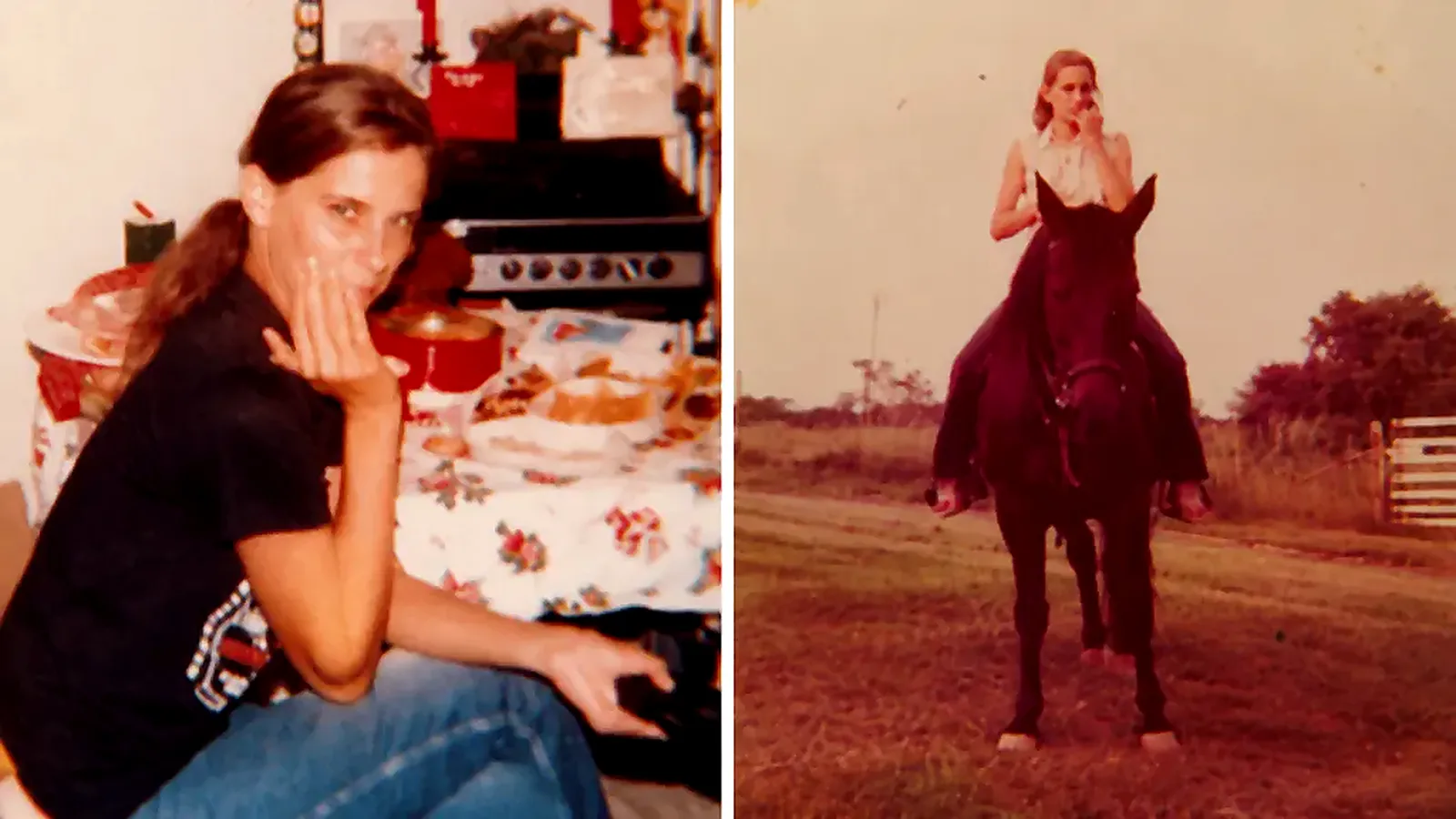
Washington, USA| Advanced DNA analysis and forensic genetic genealogy have helped Washington State Patrol identify a woman whose identity remained unknown for 35 years following a fatal road accident in 1991. The woman, previously known as “Helen Doe,” has been identified as 34-year-old Mary Ellen “Mollie” McCullough, bringing an end to a decades-long mystery surrounding her identity.
The 1991 Fatal Accident
The case dates back to May 14, 1991, when a semi-truck collided with a commercial vehicle stopped for roadwork on Interstate 5 near Kalama, Washington. The resulting fire killed both the truck driver, Lester Harvel, and his female passenger.
 The passenger suffered injuries that made conventional identification difficult. Despite investigative efforts, authorities could not establish her identity, and she became known as “Helen Doe,” a reference to nearby Mount St. Helens.
DNA Technology Reopens the Cold Case
The Washington State Patrol revisited the investigation in 2014. After years of pursuing leads, investigators submitted evidence to Othram, a forensic DNA laboratory, in 2022.
Othram developed a comprehensive DNA profile using advanced forensic genome sequencing. The resulting genetic data was then used for forensic genetic genealogy, helping investigators identify potential biological relatives through genealogical comparisons.
The investigation eventually led detectives to Michael McCullough, the woman's brother. On August 6, investigators contacted him, and he identified his missing sister as Mollie.
Subsequent DNA testing confirmed the familial relationship, establishing the identity of the previously unidentified woman.
A 35-Year Search Comes to an End
McCullough's family had been searching for answers since she disappeared from their lives in 1991. Her identification has finally provided relatives with long-awaited clarity about her fate.
The family has expressed gratitude to the investigators, forensic specialists and others involved in resolving the case. They also plan to return her remains to Cambridge, Ohio, where she was born.
Forensic Significance
The case demonstrates the growing role of forensic genetic genealogy in resolving unidentified human remains cases. By combining advanced DNA profiling with genealogical research, investigators can generate investigative leads even when conventional DNA database searches fail to produce a match.
The identification of Mollie McCullough highlights how developments in forensic genomics can assist law enforcement agencies in revisiting decades-old cold cases and restoring identities to unidentified victims.