
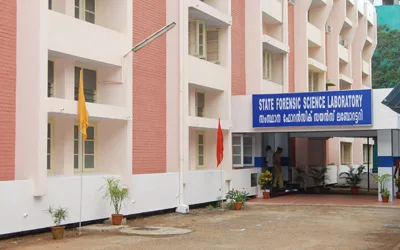
THIRUVANANTHAPURAM | Kerala’s Forensic Science Laboratory is facing a growing workload crisis, with its pending case backlog crossing 10,000. The pressure is largely attributed to a shortage of trained personnel, an increase in crime-related digital evidence and the challenges involved in analysing newer electronic devices.
The laboratory, which operates under the state police department, plays an important role in examining digital evidence collected during criminal investigations. Mobile phones, laptops, tablets and even drones have increasingly become part of the evidence submitted for forensic examination.
According to a report published by The New Indian Express on November 11, some of the pending cases have remained unresolved for several years.
FSL Receives Devices Linked to Nearly 8,000 Cases Annually
Kerala’s forensic laboratory network includes a state-level facility in Thiruvananthapuram, regional laboratories in Kochi, Kannur and Thrissur, and 14 district-level units.
The network reportedly receives electronic devices connected to approximately 8,000 cases every year. However, despite employees working extended hours—sometimes up to 12 hours a day, six days a week—the laboratory is able to generate reports in only around 2,500 to 3,000 cases annually.
This gap between incoming cases and completed examinations has contributed significantly to the growing backlog.
Staff Shortage Adds to the Laboratory's Challenges
A major concern highlighted in the report is the shortage of forensic personnel. The FSL has a sanctioned staff strength of 201 employees, including 59 posts that were added approximately two years ago.
However, sources familiar with the laboratory's operations reportedly stated that the existing workforce remains insufficient to manage the increasing volume of cases.
The scale of the challenge is further reflected in Kerala's crime statistics. The state reportedly registered approximately 5.5 lakh cases in 2025, of which nearly two lakh were criminal cases. The increasing presence of digital evidence in investigations has added to the laboratory's responsibilities.
Examination of Modern Smartphones Poses Technical Challenges
The growing sophistication of electronic devices has created additional difficulties for digital forensic examiners.
According to sources quoted in the report, investigators can comparatively access data from certain Chinese-manufactured devices more easily, while newer models of Apple and Samsung smartphones often present significant challenges.
Frequent software and hardware updates by manufacturers can make existing forensic tools outdated or less effective. Password protection and other security mechanisms can also increase the time required to access and examine devices.
The problem becomes particularly demanding in high-profile investigations, where forensic teams may need to examine 20–25 electronic devices in a single case.
The report also noted that in September, the laboratory issued reports in approximately 250 cases after examining more than 1,000 devices.
Growing Backlog Raises Concerns Over Timely Justice
The delay in forensic examination can have consequences beyond laboratory administration. Digital evidence often plays a significant role in establishing timelines, identifying suspects, corroborating witness statements and reconstructing events.
When forensic reports are delayed, investigators may face difficulties completing investigations, while prosecution and court proceedings can also be affected. A prolonged backlog therefore raises concerns about the timely delivery of justice to both victims and accused persons.
Kerala has previously faced concerns over delays in forensic reporting. Earlier reports in 2024 also highlighted substantial pendency in forensic and chemical examination facilities across the state.