
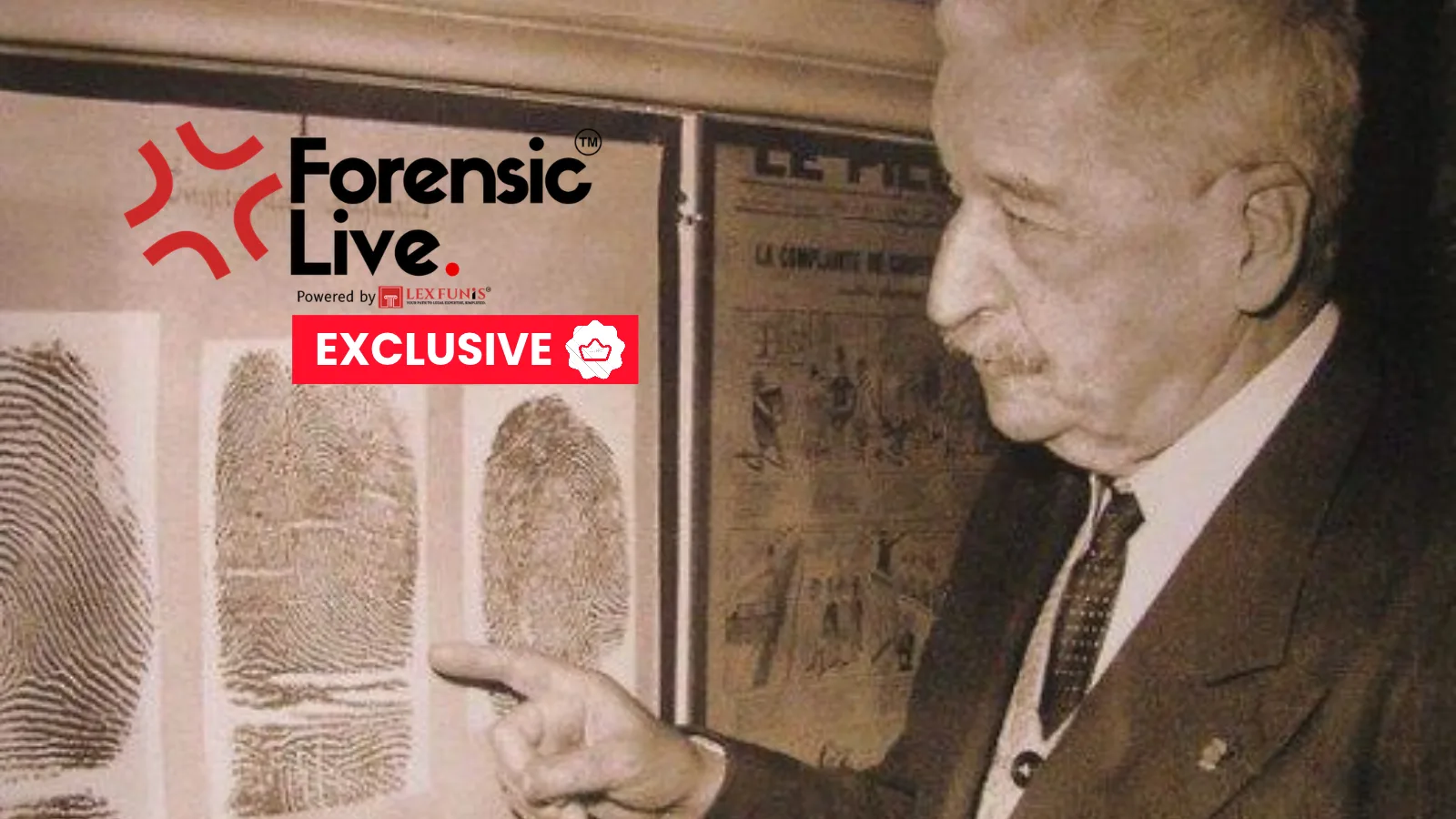
A Doctor, a Lawyer and a Police Attic
Edmond Locard (1877–1966) studied both medicine and law in Lyon and became the assistant of the criminologist Alexandre Lacassagne. Before settling back in Lyon, he visited the Swiss criminalist Rodolphe Archibald Reiss in Lausanne, an encounter that sharpened his interest in scientific police work.
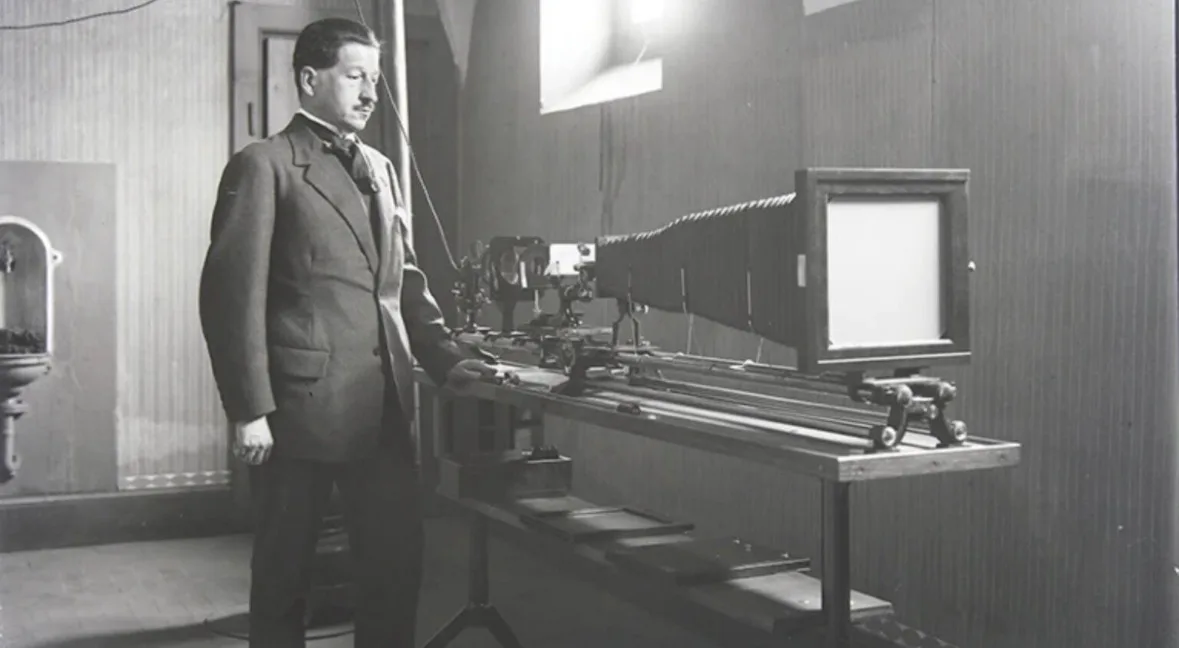
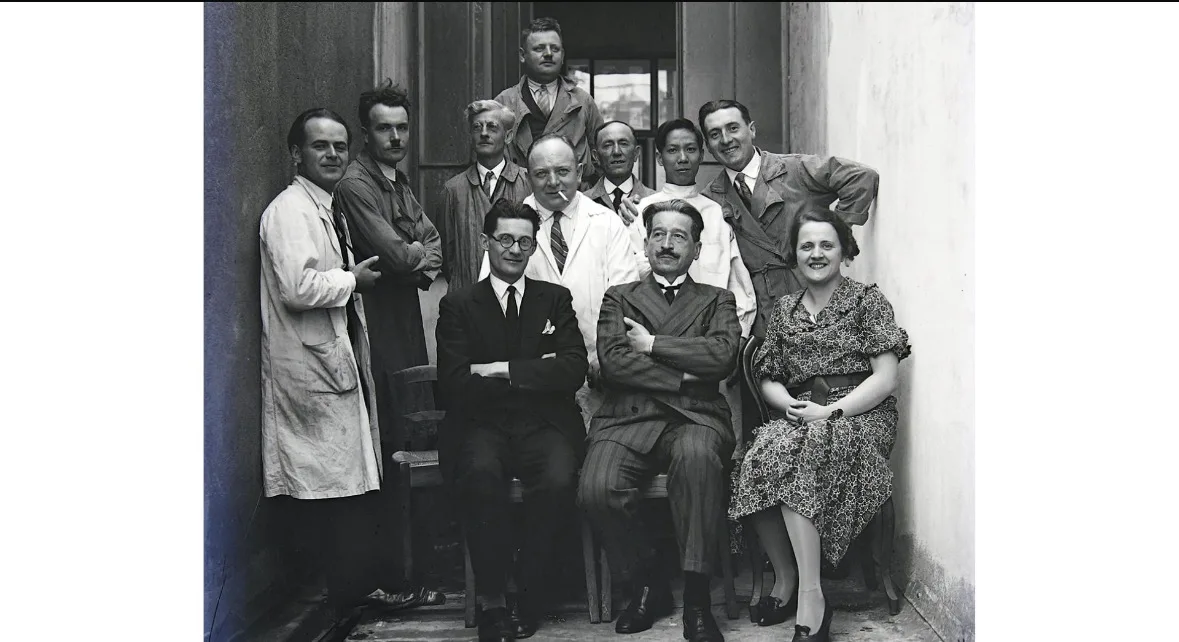 In 1910, Locard persuaded the Lyon police to give him two rooms in the attic of the city’s courthouse, along with two assistants. The Lyon police formally recognised the laboratory in 1912, and it is widely regarded as the first police forensic laboratory in the world. Locard would later be nicknamed the “Sherlock Holmes of France.”
The Case of the Pink Powder
 In 1912, a young woman named Marie Latelle was found strangled in her parents’ home. Suspicion fell on her fiancé, Emile Gourbin, a bank clerk. Gourbin had what looked like an unbreakable alibi: friends said he had been playing cards with them at the time of the murder.
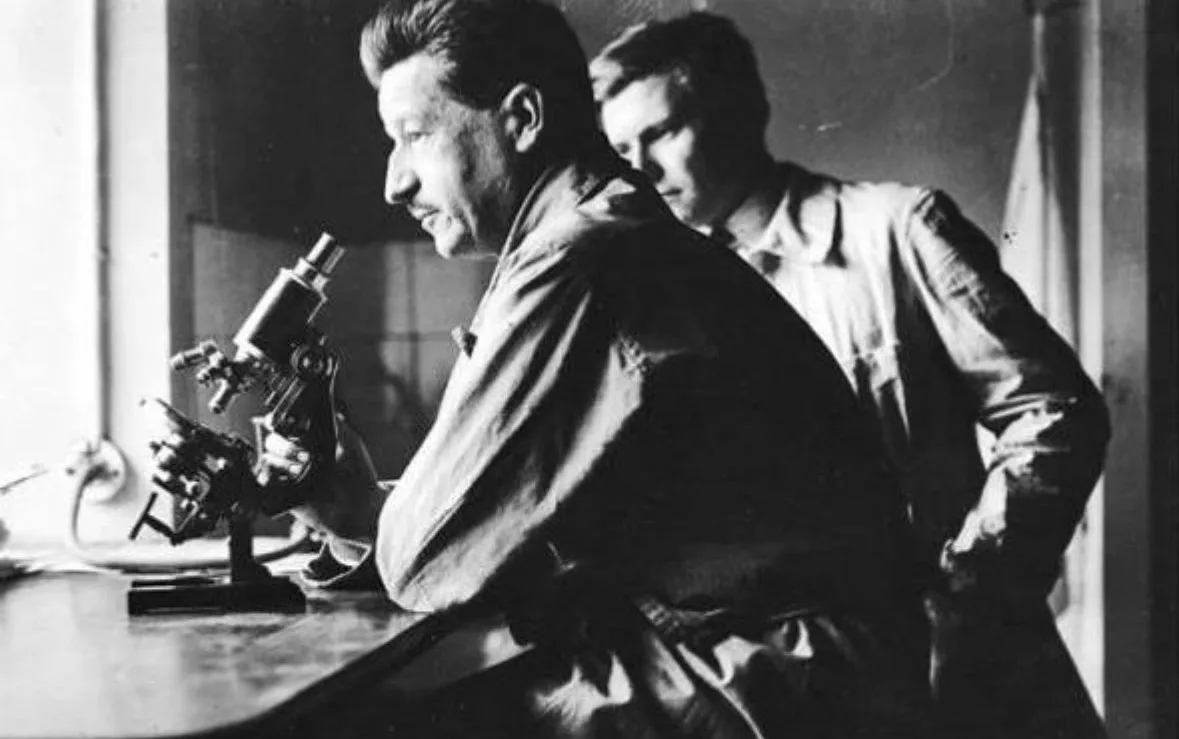
Locard reasoned that if the victim had fought her attacker, traces of the struggle might remain under his fingernails. He scraped Gourbin’s nails and found a fine pink dust.
Analysis identified it as a cosmetic face powder containing bismuth, zinc oxide, magnesium stearate and a red iron-oxide pigment known as Venetian red. The same ingredients matched powder collected from the scene. Locard then traced the formula to a Lyon druggist who had prepared it specially for Marie Latelle. Confronted with the evidence, Gourbin confessed.
The case is often described as one of the earliest in which a verdict rested on microscopic trace evidence.
The Principle and the Quote He Never Wrote
 Locard’s theory of exchange holds that whenever two objects come into contact, material passes between them. A burglar leaves fibres, skin cells or soil behind and carries away dust, glass or paint from the scene.
The idea is usually summed up as “Every contact leaves a trace.” Yet at least one forensic text points out that Locard never actually wrote those words, although the idea is implied throughout his work. Sources also differ on when he first stated the principle. The most quoted formulation belongs to a later forensic scientist, Paul L. Kirk, who wrote in 1953 that whatever a criminal touches or leaves, even unconsciously, serves as a silent witness against him.
That gap between legend and record is worth remembering for anyone writing about forensic history: the principle is Locard’s, but the famous one-liner is a later distillation.
More Than One Principle
Locard’s output was far larger than a single sentence. He produced a seven-volume work, the Traité de criminalistique, and was among the first to codify the characteristics of fingerprints used for identification. He is associated with the view that twelve points of comparison between two prints could support a positive identification.
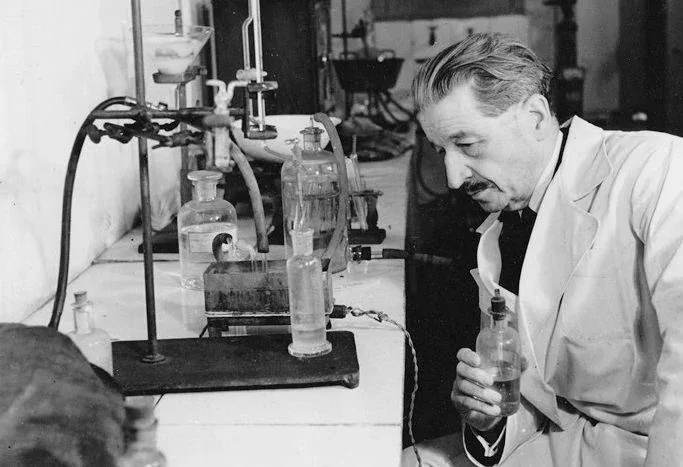 In 2012, he was nominated to the French Forensic Science Hall of Fame of the Association Québécoise de Criminalistique. He died on 4 May 1966.
The Principle in Today’s Courtrooms
Locard’s logic now runs through DNA analysis, gunshot residue testing, paint and fibre comparison and even digital forensics, where an offender’s activity leaves electronic traces. Collection and analysis tools have changed enormously. The underlying reasoning has not.
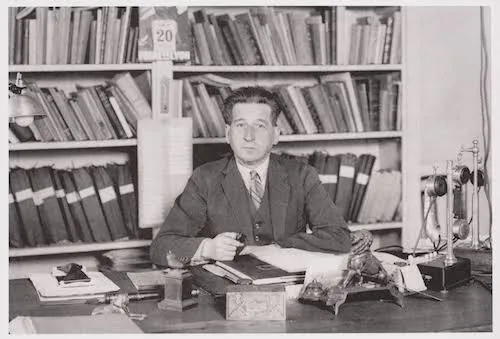 But the principle has limits that students and lawyers should keep in view. A transferred trace shows that contact occurred. It does not by itself show when, where or how, and it does not prove guilt. Material can also move by secondary transfer or contamination. That is why modern courts test the reliability of forensic methods before admitting them, a question explored in our article on how courts decide what counts as scientific evidence.
Locard gave investigators a question worth asking at every scene: what did contact leave behind, and what did it take away? Answering it carefully is still the heart of the work.